


Heat Pump vs. Gas Furnace: How Hybrid Heating Systems Deliver Year-Round Efficiency
Homeowners often ask which heating system works best for Arizona’s unique climate. In places like Goodyear and the Greater Phoenix area, the winters can be cool but rarely freezing, while the summers bring extreme heat. That range makes heating and cooling decisions more complicated. Many homes rely on either a gas furnace or a heat pump, but more homeowners are now switching to hybrid systems that combine both. This setup provides reliable comfort, flexibility, and improved energy efficiency year-round.
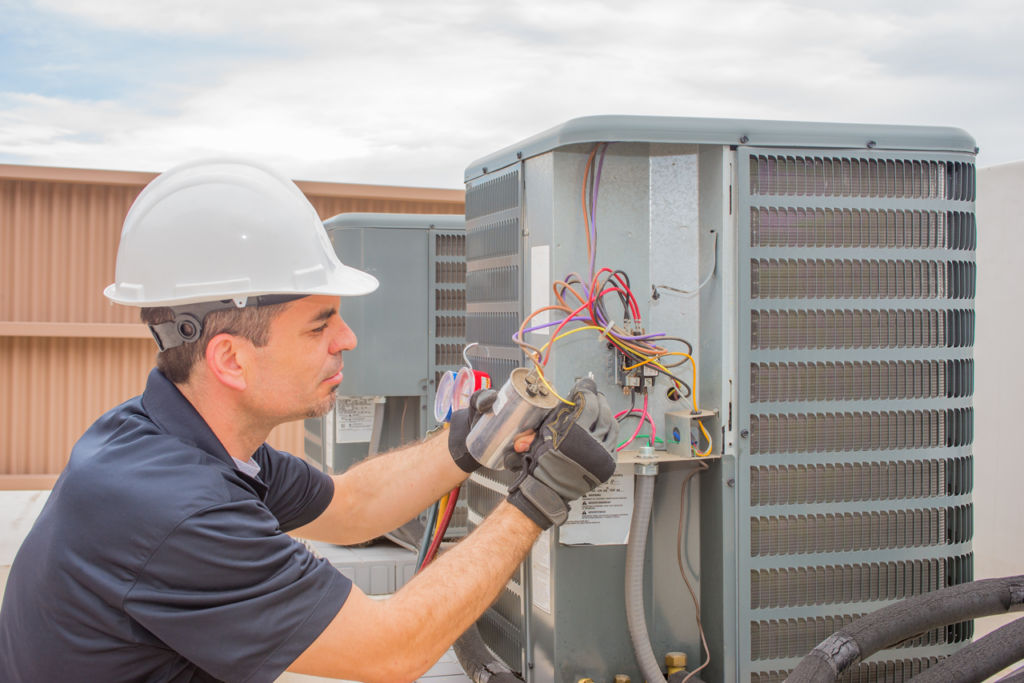
Understanding the difference between a heat pump and a gas furnace, and how a hybrid system blends their strengths, can help homeowners choose a heating solution that makes sense for their climate, comfort goals, and long-term energy savings.
How Heat Pumps Work
A heat pump operates on a simple but smart principle: it moves heat rather than generating it. During winter, the system extracts heat from the outdoor air, even when it feels chilly, and transfers that warmth inside your home. In summer, it reverses the process by pulling heat from inside and moving it outside, acting as an air conditioner.
Since heat pumps transfer heat instead of burning fuel, they use less energy and produce fewer emissions. This makes them a great fit for areas with mild winters, like those across the Greater Phoenix region. The system’s efficiency comes from its ability to provide both heating and cooling through a single unit, which simplifies maintenance and reduces the need for separate equipment.
While heat pumps excel in moderate temperatures, they start to struggle when outdoor temperatures drop significantly. When the air outside gets too cold, the pump has to work harder to extract heat, which can make the system less efficient. That’s where hybrid systems come in to balance performance and comfort.
How Gas Furnaces Operate
A gas furnace heats your home by burning natural gas to warm air, which is then distributed through ducts. The heat exchanger inside the furnace absorbs the heat from combustion, and the blower pushes that heated air into your living spaces.
Furnaces can deliver strong, consistent heat even when outdoor temperatures drop below freezing. They’re dependable and fast-acting, which is why they’ve long been the standard heating system in colder regions. Modern furnaces are more energy-efficient than older models, and many are equipped with advanced control systems that regulate fuel use.
While furnaces are reliable, they do rely on fossil fuels and operate best during colder months. For homes in Arizona, where temperatures can swing from hot days to chilly nights, a furnace alone might not be the most efficient option for year-round comfort.
What a Hybrid Heating System Does
A hybrid heating system, also known as a dual-fuel system, combines a heat pump and a gas furnace into one coordinated setup. It automatically switches between electric and gas power based on outdoor temperature and energy demand.
During mild weather, the heat pump handles the heating, keeping energy use low and costs down. When temperatures drop below a certain point, usually around 35 to 40 degrees, the system switches to the gas furnace for more powerful heating. The transition is seamless and fully automated, so you don’t have to adjust anything manually.
The real advantage of a hybrid system lies in its flexibility. It uses whichever energy source is more efficient at the moment, keeping your home comfortable while saving energy. This is especially useful in climates like Arizona’s, where winters are short and mild but still cool enough to need reliable heat.
Energy Efficiency and Cost Savings
The biggest reason homeowners choose hybrid systems is efficiency. Heat pumps are incredibly efficient in moderate conditions, often transferring three times as much heat energy as the electricity they consume. That efficiency drops in colder weather, which is where the gas furnace takes over.
By combining both systems, you use each energy source at its optimal efficiency range. The result is lower overall energy consumption, reduced wear on both systems, and fewer unexpected repairs. Hybrid systems also give homeowners more control over energy costs. If gas prices rise, you can rely more on the electric heat pump. If electricity costs increase, the furnace can handle more of the workload.
Over time, this balance can significantly reduce energy waste, extending the lifespan of both components and maintaining consistent comfort throughout the year.
Comfort and Climate Control Advantages
Beyond efficiency, hybrid systems offer noticeable comfort benefits. Heat pumps provide a steady, even warmth that feels different from the intense blast of hot air typical of furnaces. This makes indoor temperatures more stable and eliminates sudden temperature swings.
When the temperature dips lower, the gas furnace delivers stronger, faster heat, keeping your home warm even on the coldest nights. The hybrid system’s smart thermostat monitors conditions and switches between the two automatically, ensuring you always have the right balance of warmth and efficiency.
This adaptability makes hybrid systems particularly effective for Arizona homes, where daytime and nighttime temperatures can differ dramatically during the winter months. The system adjusts effortlessly, so you stay comfortable without constantly changing settings.
Environmental Benefits of Hybrid Systems
Hybrid heating systems also appeal to homeowners who want to reduce their environmental footprint. Since heat pumps use electricity and move heat instead of generating it, they produce fewer greenhouse gas emissions. The gas furnace only operates when necessary, minimizing fuel use.
This combination lowers both carbon output and overall energy consumption compared to a traditional furnace or standalone heat pump. It’s an effective solution for homeowners interested in more sustainable home heating options without giving up reliability.
In areas where utility companies are expanding renewable energy sources like solar and wind, hybrid systems become even cleaner over time. As the grid gets greener, your system’s environmental impact decreases automatically.
Why Arizona Homes Benefit Most from Hybrid Heating
The climate in Goodyear and across the Greater Phoenix area makes hybrid systems an ideal choice. Winters are short and mild, meaning a heat pump can handle most of the heating load efficiently. But during those few cold nights when temperatures drop, the gas furnace kicks in to maintain comfort.
This balance allows Arizona homeowners to get the best of both worlds, energy-efficient heating most of the year and powerful performance during occasional cold spells. Since heat pumps also provide air conditioning, a hybrid system simplifies your entire HVAC setup into one cohesive solution.
For homeowners tired of high utility bills and inconsistent temperatures, hybrid systems provide year-round reliability while keeping operating costs low. The system automatically adapts to changing weather, ensuring comfort without constant adjustments.
Common Heating Issues Hybrid Systems Help Prevent
Homeowners in the Greater Phoenix area often face:
- Uneven heating during cool months
- High energy bills from inefficient systems
- Frequent cycling that strains HVAC components
- Inconsistent comfort between rooms
- Systems are struggling to keep up with temperature changes
A hybrid system resolves these problems through automatic efficiency balancing and smart temperature control, delivering reliable warmth without overworking your equipment.
FAQs
1. What makes a hybrid heating system more efficient than a standard setup?
It automatically switches between electric and gas heating, using the most efficient energy source based on outdoor temperature.
2. Can a hybrid system replace my current air conditioner and furnace?
Yes, it serves as both a heating and cooling system, combining the functions of an air conditioner and furnace in one setup.
3. How often does a hybrid system switch between heat pump and furnace modes?
The switch happens automatically based on outdoor temperature and energy demand. It’s seamless and requires no manual input.
4. Is a hybrid system better for Arizona’s mild climate?
Yes, Arizona’s moderate winters make hybrid systems ideal because the heat pump handles most heating efficiently while the furnace steps in on colder days.
5. Does a hybrid system need more maintenance than other heating systems?
Not necessarily. Routine seasonal maintenance keeps both components running efficiently, just like any HVAC system.
Stay comfortable year-round with efficient hybrid heating. Call A Quality HVAC and Plumbing Services LLC at 623-853-1482 for expert installation in Goodyear and the Greater Phoenix, AZ area.